

01 / Legal framework
Legal Services for Construction Disputes
Legal Istanbul advises on construction disputes in Turkey involving delayed delivery, unfinished or defective work, additional costs and unpaid accounts. We review the contract and evidence before advising on notices, settlement, termination or proceedings.
- The first legal question
- Is the agreement for building work, a property sale, a subcontract or a mixed project?
- The immediate priorities
- Preserve the evidence, check deadlines and identify the responsible party.
A property owner, buyer and contractor may face different risks within the same development. The legal route depends on their agreement and the result they seek. A missed completion date does not automatically justify every cancellation or compensation demand.
This service concerns private construction and related property disputes. Public procurement, criminal allegations and challenges to administrative decisions need separate assessment. Legal advice also does not replace an engineer's opinion on building safety or the quality of the work.
02 / Scope of work
Review, Negotiation and Representation
Contract and Risk Review
Identifying the agreed work, responsible parties, payment terms and available remedies.
Evidence and Notices
Organising the project record, working with technical experts and preparing appropriate notices.
Settlement and Mediation
Negotiating completion, repairs, payment or an agreed end to the project relationship.
Dispute Proceedings
Bringing or defending claims in the appropriate court or agreed arbitration process.
The firm can act for an owner, buyer or construction business after checking for conflicts of interest. We do not represent opposing sides in the same matter. The engagement identifies the work, fees and responsibility for deadlines.
At the first stage, we assess what needs immediate action and what requires further documents or technical investigation. A full expert inspection, project management, tax work or a later appeal is not automatically included in an initial contract review.
03 / Understanding the agreement
The Contract Type and Responsible Parties
A contract for work generally requires the contractor to produce an agreed result in return for payment. Buying a future apartment from a developer can involve a different relationship. The document's heading alone does not decide which legal rules apply.
| Relationship | Main question | Key documents |
|---|---|---|
| Owner and contractor | What building or renovation work was promised? | Works agreement, drawings and technical specifications. |
| Developer and buyer | What property and delivery conditions were agreed? | Sale documents, plans and payment schedule. |
| Main contractor and subcontractor | Which work package and payment duties apply? | Subcontract, instructions and measured quantities. |
| Landowner and developer | How are construction duties linked to land or unit transfers? | Land-for-construction agreement and registry records. |
Identify the company or individual who signed and the authority of each representative. A project brand, estate agent, site manager and contracting company are not necessarily the same person. Nor does a shared company name automatically create a guarantee from every group member.
Check amendments and attachments together. An agreed change may alter the price or time for completion; an unsigned proposal may not. The review should include documents that support the other side's position as well as your own.
04 / Programme and delivery
Late Starts, Slow Progress and Missed Completion Dates
Establish the contractual starting and completion dates, then compare them with site access, approvals, payment milestones and actual progress. Separate delays caused by the contractor from delays connected with the owner's instructions or missing information.
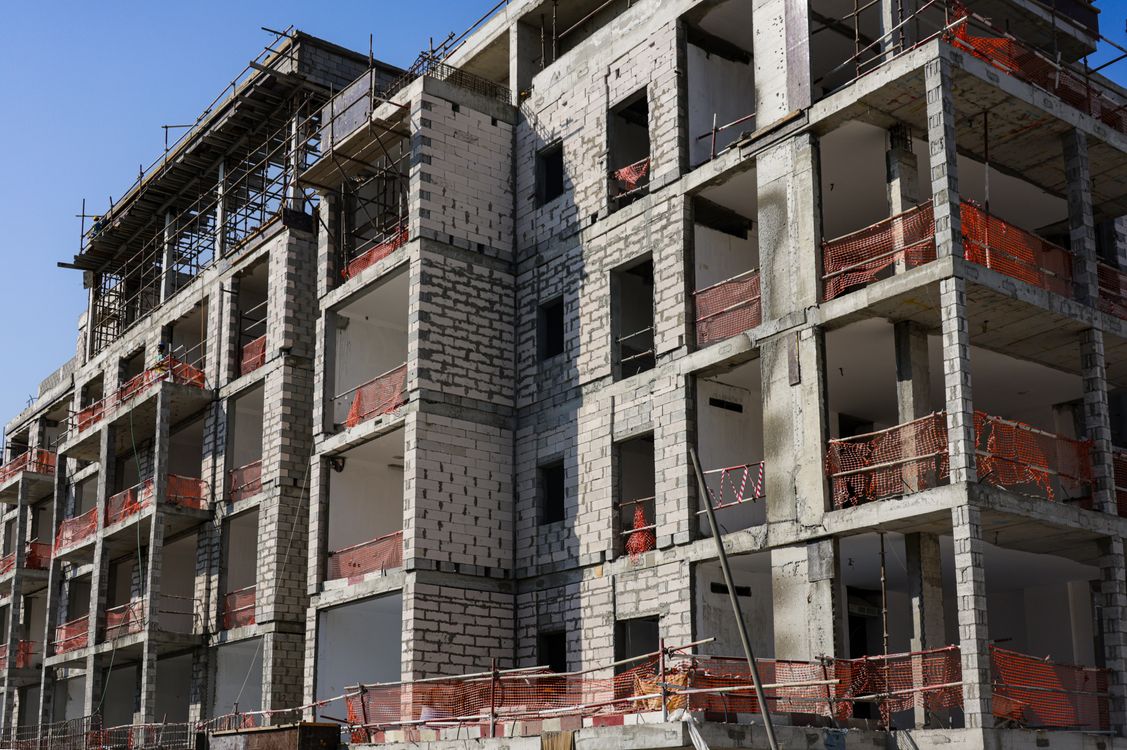
Article 473 of the Code of Obligations can allow an owner to act before the delivery date in specified delay situations. This includes circumstances where it is clear that completion on time is impossible for reasons not attributable to the owner. Disappointing progress alone should not be treated as an unrestricted right to cancel.
A notice may need to demand performance and allow an appropriate further period, depending on the legal ground. A contractually fixed date and statutory exceptions can affect that requirement. Advice should precede a statement refusing all further work.
Review any extension or force-majeure clause against the actual event and its effect. Rising costs or a general reference to market conditions do not automatically excuse delay. If a revised programme is accepted, state whether earlier delay claims remain reserved.
05 / Quality and scope
Defective Work and Missing Contract Items
List each problem against the agreed specification. Missing insulation, a leaking roof, a smaller room and an unfinished staircase may raise different questions. Technical evidence should identify the cause, necessary correction and whether the proposed repair goes beyond the original standard.
For contracts for work, Articles 474 and 477 make inspection and notification important. After delivery, the owner must inspect when reasonably able in the ordinary course and report defects within the appropriate period. A hidden defect discovered later should be notified without delay.
Article 475 may support repair without charge, a reduction in price or, for sufficiently serious problems, withdrawal from the contract. These choices have conditions. In particular, withdrawal is restricted where the work is built on the owner's land and removing it would cause excessive damage. A refund is not the automatic answer to every building defect.
The owner's instructions or materials can also affect responsibility. Have the contractor's warnings and technical evidence reviewed before attributing every fault to workmanship. Consumer sales have their own rules and should not simply be assessed under the works-contract provisions.
06 / Preserving rights
Notification Duties and Claim Periods
A deadline for bringing a claim is different from the duty to report a defect promptly. A long limitation period does not mean that the owner can wait years before notifying the contractor.
| Issue | Starting point | Important distinction |
|---|---|---|
| Visible defects | Inspection and notification following delivery. | Failure to inspect or notify can amount to acceptance. |
| Hidden defects | Discovery after delivery. | Notification must be made without delay. |
| Defects in an immovable structure | Article 478 generally provides five years from delivery. | This is not a universal period for all project claims. |
| Contractor's gross fault | Article 478 provides twenty years from delivery for defective work involving gross fault. | Gross fault must be established, not simply alleged. |
Article 478 also provides a two-year period for works other than immovable structures. A consumer purchase, unpaid account, title claim or other contractual loss may follow different rules. Identify the actual claim before calculating its deadline.
Keep the original notice and evidence of receipt. Informal discussions or a promise to investigate should not be assumed to stop every period running. Any interruption or suspension must be checked under the applicable procedure.
07 / Changes to the project
Additional Work and Price Increases
Extra-cost disputes often concern whether work was included in the original price or ordered later. Match each item to the drawings, specification, instruction, approving person and agreed price. A new invoice does not by itself prove that an authorised change occurred.
Under Article 480, a fixed-price contractor generally bears the risk that the agreed work needs more effort or expense than expected. The provision also recognises exceptional circumstances that can support court adjustment or an appropriate end to the contract. It does not create a general right to raise the price whenever costs increase.
Where the price is approximate, based on quantities or not settled in advance, different rules and contractual mechanisms apply. Separate the cost of an owner-requested upgrade from the cost of correcting the contractor's own work.
For continuing projects, record future changes before they are carried out wherever possible. State the scope, amount or calculation method, time consequences and authorised signatory. A clear change record is useful evidence if the final account is later challenged.
08 / Project accounts
Unpaid Progress Payments and Retained Amounts
Compare each payment request with the contract, completed work, required approval and actual transfer. An invoice, an approved progress payment and money received are different records. A single total can hide disputed quantities or deductions.
Retention means an agreed part of the price kept back until specified conditions are met. Check its amount, release date and link to completion or repairs. It should not be confused with a separate advance, deposit or bank guarantee.
An owner should review the legal basis before stopping all payments because one item is disputed. A contractor should likewise check its rights before suspending work. Either step can create a counterclaim if it prevents performance without sufficient justification.
Where security exists, review the actual instrument, beneficiary, amount, expiry and demand conditions. Do not assume that a developer's statement about being insured gives every buyer a direct right to payment. A guarantee may require action before the main dispute is finally decided.
09 / Records and urgent action
Preserving Evidence Before Repairs or Replacement
Repairs or a replacement team may remove the condition that needs to be proved. Keep dated photographs, measurements, site reports, messages and invoices obtained lawfully. Record the location and author of each item rather than relying on an undated image folder.
Under Article 400 of the Civil Procedure Law, a party may seek court-assisted preservation of evidence where the required legal interest exists, including a risk that evidence will be lost or become much harder to present. This can involve a site inspection and expert examination before the main claim.
The report does not itself award compensation or finally decide responsibility. It should address useful technical questions: what is missing, what is defective, what may have caused it and what repair would reasonably cost.
Urgent protection of property or rights requires a separate assessment. A court order is not automatic merely because a claim has been made, and security may be required. Do not delay necessary safety action just to preserve photographs; document what can safely be recorded and obtain appropriate technical assistance.
10 / Termination and replacement
Ending a Construction Contract
Termination for breach and an owner's decision to stop a project for other reasons have different consequences. Article 484 allows an owner to end a works contract before completion on terms that include payment for the work done and compensation for the contractor's losses. It is not a cost-free cancellation option.
For an alleged breach, assess the legal ground, required notice, any opportunity to correct the problem and the intended remedy. The rules governing default and reciprocal obligations can require choices that should be made before an unconditional cancellation message is sent.
A practical exit also needs a record of completed work, materials, equipment, access, documents, security and outstanding accounts. Replacing the contractor without dealing with these issues can create disputes about both responsibility and cost.
Where performance can still be completed, compare termination with a documented correction programme. This should set measurable obligations, inspection dates and consequences of further failure. Any release of earlier claims needs deliberate review, not a signature added as routine administration.
11 / Developer and buyer disputes
Delayed Off-Plan Homes and Buyer Claims
A qualifying prepaid consumer housing sale has specific protections. The current maximum delivery period is forty-eight months from the contract date. A shorter agreed period still binds the seller; the statutory maximum is not an automatic extension.
Keys alone do not establish lawful delivery. The applicable title-registration, possession and readiness-for-use conditions must be checked. Also distinguish cancellation based on the seller's failure to perform from an ordinary change of mind: a standard voluntary-exit deduction should not be accepted without checking the correct rule.
For an existing dispute, identify the seller, purchased unit, amount paid and original delivery date. Explain any later amendment or proposed release. The buyer's objective may be delivery, compensation or an exit, but those routes cannot always be combined.
Our delayed construction article addresses buyer-specific questions. Earlier-stage buyers can use the property purchase service for contract and transaction review.
12 / Ownership and project structure
Land-for-Construction Agreements and Title Risks
In a land-for-construction arrangement, the landowner provides land or ownership shares in return for agreed units or building work. A dispute may therefore affect both contractual obligations and registered rights. Review the agreement's required form, transfer conditions and actual title records together.
Identify which units or shares were allocated to each party, which transfers have occurred and whether third parties now hold rights. Ending the building relationship does not automatically restore every previous title position. Third-party rights and the relevant legal rules require their own assessment.
Planning permission, building permission and permission to use a completed building also serve different purposes. A certificate does not by itself prove that every promised specification was met or that every payment is due.
Our title deed and due diligence service addresses the wider ownership review. Administrative challenges to municipal decisions, structural safety investigations and the private contract claim may require separate work and different deadlines.
13 / Loss and recovery
Repair Costs, Delay Payments and Other Losses
A claim should identify each loss and explain how it follows from the alleged breach. Keep repair estimates, replacement contracts, rental expenses and payment records. Separate necessary correction from upgraded materials or additional work that was never part of the agreement.
A contractual penalty and a claim for actual loss are not the same. The clause, type of breach and applicable law determine what may be requested together. Under Article 179, accepting late performance without the necessary reservation can affect a claim for a time-related penalty.
Expected rent or business income needs evidence, not just a projected return. Consider the period of loss, the property's intended use, costs avoided and reasonable steps to limit further harm. Do not count the same loss twice under different headings.
The prospect of collecting an award also matters. Review available security and reliable information about the debtor's position. A successful claim does not guarantee that funds will be available immediately, and a settlement should state a workable payment sequence before rights are released.
14 / Choosing the procedure
Mediation, Court Proceedings and Arbitration
There is no single court route for every construction dispute. The parties, contract and requested relief determine the forum. Review any arbitration agreement before filing; a clause in one project contract does not necessarily bind everyone involved.
| Dispute | Main procedural check |
|---|---|
| Consumer transaction | Consumer jurisdiction, any consumer-board competence and the mediation rules. |
| Commercial claim | Commercial jurisdiction and Article 5/A for covered money claims. |
| Other private contract | Ordinary civil jurisdiction and any applicable special procedure. |
| Arbitration agreement | Validity, parties, scope and whether the dispute can be arbitrated. |
Covered commercial money claims generally require mediation before suit. Consumer-court disputes also generally require it, but statutory exceptions include specified claims concerning rights in the property itself. A compensation claim and a claim changing ownership can therefore require different treatment.
Mediation, evidence preservation and interim protection serve different purposes. Starting negotiations does not automatically preserve every claim or suspend every deadline. Review the required sequence, including urgent measures, before waiting for a reply.
A settlement should specify payment or repair duties, dates, inspection arrangements and exactly which claims are released. Its enforceability and signing authority must be checked. A promise to agree the main terms later may leave the central dispute unresolved.
15 / Preparing the matter
Documents, Representation and Costs
The initial file should show what was agreed, what happened and what needs action now. A short dated chronology helps us identify gaps before reviewing a large project archive.
| Records | Purpose |
|---|---|
| Contract and specifications | Establish the scope, price, dates and agreed procedure. |
| Drawings and change instructions | Compare the original work with approved changes. |
| Invoices and bank records | Separate amounts requested, approved, paid and disputed. |
| Site and technical records | Show progress, condition, inspections and possible causes. |
| Notices and proceedings | Identify earlier demands, delivery dates and current deadlines. |
- 01
Assess the Agreement
Identify the parties, obligations and urgent dates.
- 02
Secure the Evidence
Arrange suitable records and technical input.
- 03
Prepare the Response
Select the remedy and appropriate notice.
- 04
Follow the Legal Route
Negotiate or proceed in the required forum.
- 05
Complete the Outcome
Address repairs, payments, handover or enforcement.
Clients abroad may arrange representation through a suitable power of attorney. Corporate authority, translations and any authentication depend on the documents and work. Authority to inspect or receive keys should not unintentionally include authority to waive claims.
Fees depend on the scope, record volume, technical issues and procedure. Court, expert, translation and enforcement expenses are identified separately. The timetable depends on evidence, notification, expert review, hearings and any appeal; a fixed result date cannot be promised.
16 / Common questions
Questions About Construction Disputes
Can I End The Contract Before The Completion Date?
Can A Contractor Increase A Fixed Price?
Should I Repair Defects Before Starting A Claim?
Do I Have Five Years To Report Every Defect?
Does A Developer Always Have Forty-Eight Months?
Can I Stop Paying Because Work Is Delayed?
Does An Expert Report Decide The Dispute?
Can Legal Istanbul Act While I Am Abroad?
Publications
Related Legal Articles


Official Sources And Legal Framework
- Turkish Code Of Obligations: Default, Penalties And Contracts For Work
- Civil Procedure Law: Interim Protection And Preservation Of Evidence
- Turkish Commercial Code: Commercial Disputes And Article 5/A Mediation
- Ministry Of Trade: Prepaid Housing Sales And Delivery Rules
- Ministry Of Justice: Mandatory Mediation Questions
- Court Of Cassation: Consumer Property Claims And The Mediation Exception
This page provides general information, not advice on a particular project or dispute. The contract, claim, evidence and current law determine the available steps and deadlines. Obtain advice before stopping payments, changing the site, accepting a release or ending the agreement.