 Блог
БлогИностранные компании часто выходят на турецкий рынок через дистрибьютора, поставщика, исполнителя услуг, местного агента, программного партнера или долгосрочного клиента. Первый договор может выглядеть операционным, но именно он часто определяет полномочия, срок оплаты, доказательства поставки, налоговый и валютный риск, а также форум спора.
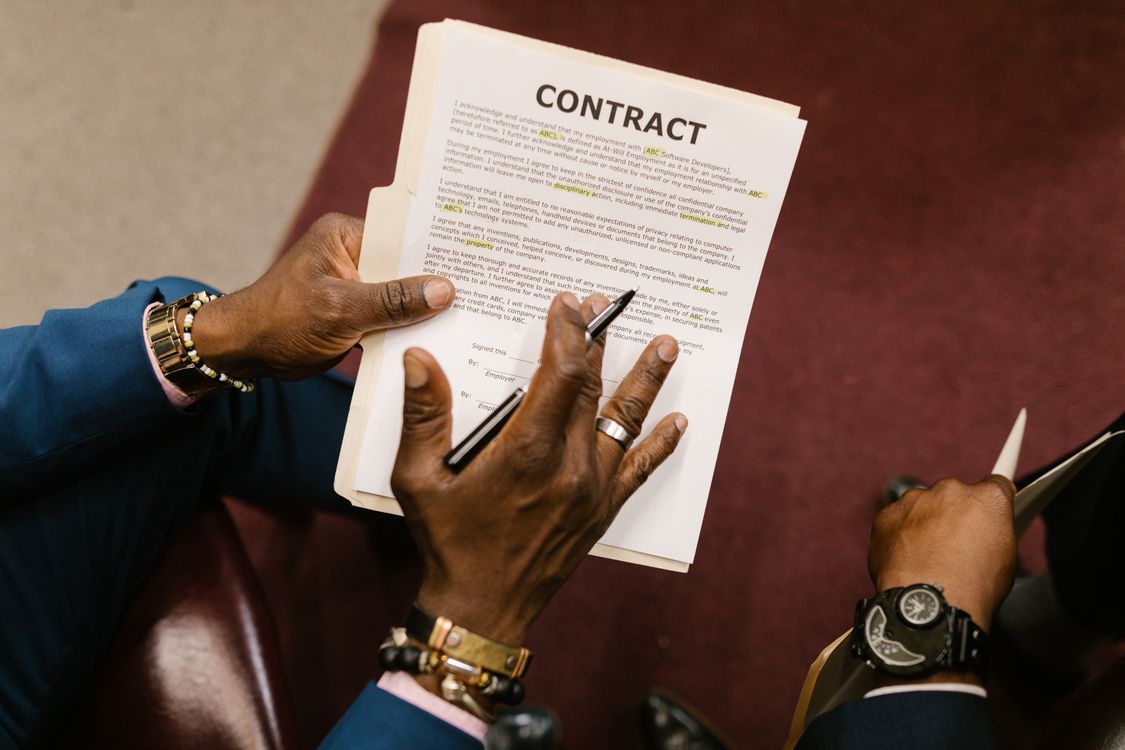
Проверка коммерческого договора в Турции должна быть шире простой корректировки формулировок. До начала исполнения нужно проверить контрагента, право подписи, объем работ, логику инвойсов, валюту, налоговые риски, права на расторжение, эксклюзивность, доказательства и маршрут исполнения.
Содержание
1. Краткий ответ
Коммерческий договор является не только записью достигнутых договоренностей. Если исполнение сорвется, именно этот документ будут читать банк, бухгалтер, налоговый орган, суд, арбитр или исполнительный орган. Поэтому для иностранной компании договор должен готовиться одновременно для коммерческой работы и для доказательства спора.
Лучшее время для проверки договора — до того, как иностранная компания отправит товар, передаст конфиденциальную информацию, предоставит эксклюзивность, согласится на отсрочку платежа или позволит турецкому контрагенту контролировать клиентов. После начала исполнения переговорная позиция может быстро измениться.
Цель не в том, чтобы сделать договор длиннее. Цель в том, чтобы договор был пригоден к использованию, если возникнет проблема.
2. Стороны и право подписи
Юридическую личность турецкого контрагента нужно подтвердить до подписания. Данные торгового реестра, сведения MERSIS, налоговая информация, управляющие и право подписи должны совпадать с лицом и компанией, которые будут отвечать по договору.
Этот вопрос особенно важен, когда переговоры ведутся через компанию группы, филиал, сотрудника дистрибьютора или местного консультанта. Договор должен ясно указывать, какое юридическое лицо отвечает за оплату, поставку, гарантии, налоговые документы, уведомления и обязанности при споре.
Нужно проверить правильное название турецкой компании, налоговый номер, адрес и право подписи. Договор, подписанный лицом без полномочий, может создать практические проблемы исполнения.
Если контрагент использует торговое название, бренд или связанную компанию, юридическая сторона договора должна быть определена прямо.
3. Оплата, поставка и исполнение
Дистрибьюторский договор обычно требует регулирования территории, эксклюзивности, планов продаж, складских запасов, маркетинга, использования бренда, клиентских данных и контроля после прекращения договора. Договор поставки требует описания товара, порядка заказов, поставки, дефектов, гарантий, корректировки цены и логистики.
Договор оказания услуг требует иной структуры. Объем работ, этапы, приемка, персонал, конфиденциальность, интеллектуальная собственность, субподряд и последствия задержки должны быть прописаны достаточно ясно, чтобы можно было доказать, была ли услуга выполнена.
Если сделка зависит от авансового платежа, договор должен объяснять, что произойдет, если товары или услуги не будут поставлены.

4. Расторжение и нарушение
Договор должен определять, что именно передается, когда исполнение считается завершенным, кто может принять исполнение и какие документы подтверждают приемку. Размытое описание объема может казаться гибким при подписании, но позже затрудняет взыскание или защиту по дефектам.
Для товарных договоров доказательства могут включать заказы, проформа-инвойсы, транспортные документы, складские записи, расписки о доставке и уведомления о дефектах. Для договоров услуг важны отчеты, письма об одобрении, скриншоты, записи этапов, протоколы встреч и акты приемки.
Договор без практического маршрута на случай нарушения может вынудить иностранную компанию к дорогим переговорам уже после возникновения проблемы.
5. Доказательства и переписка
Условие о цене нужно проверять вместе со сроками выставления инвойса, валютой, НДС, удерживаемым налогом, банковскими расходами, процентами за просрочку, валютным риском и маршрутами перевода из-за рубежа. Эти вопросы коммерческие, но при задержке или споре об оплате они становятся юридическими доказательствами.
Договор, инвойс и банковский перевод должны рассказывать одну и ту же историю. Если договор описывает одну сделку, инвойс — другую, а назначение платежа неясно, файл становится слабее и для налоговой проверки, и для спора.
6. Разрешение споров и исполнение
В товарных и поставочных договорах риск доставки должен быть связан с Incoterms, транспортными документами, страхованием, таможенной ответственностью и процедурой приемки. Без такой структуры утрата, задержка или дефект могут превратиться в спор о том, кто контролировал товар в критический момент.
Гарантийные положения должны различать юридические дефекты, физические дефекты, несоответствие спецификации, недостатки услуг и неправильное использование. Ограничения ответственности, исключения косвенных убытков, штрафные условия и положения о возмещении нужно проверять с учетом турецкой договорной практики и вероятного маршрута исполнения.
Юрисдикцию, арбитраж, применимое право и маршрут исполнения нужно проверить до подписания. Оговорка, которая выглядит международной, может оказаться неэффективной, если контрагент и активы находятся в Турции.
Правильная оговорка зависит от стоимости договора, активов контрагента, срочности и вероятного типа спора.
7. Проверка Legal Istanbul
Legal Istanbul проверяет коммерческие договоры для иностранных компаний через стороны, право подписи, предмет договора, платежи, поставку, нарушение, расторжение, доказательства, применимое право и исполнимость в Турции.
Цель проверки — определить практические риски до подписания, чтобы договор работал не только как коммерческое обещание, но и как документ, который можно использовать при споре, взыскании или переговорах о выходе.
Турецкая договорная проверка также должна проверить, соответствует ли документ реальным отношениям сторон. Многие споры начинаются потому, что подписанный договор, заказы, инвойсы, практика доставки и согласования по электронной почте описывают разные версии одной сделки.
Иностранным компаниям следует особенно внимательно относиться к полномочиям и доказательствам. Лицо, подписывающее или утверждающее сделку, должно быть связано с записями турецкой компании, а договор должен создавать пригодный путь для уведомления, просрочки, расторжения, обеспечительных мер и исполнения, если контрагент перестанет исполнять обязательства.
Консультация по проверке коммерческого договора в Турции
Отправьте основные факты, имеющиеся документы и срок или практическую проблему в Legal Istanbul. Сообщение будет изучено, после чего определяется юридический путь, подходящий для вашего дела.
Основные публичные ориентиры включают применимое законодательство, MERSIS, записи Турецкой торговой газеты и правила разрешения коммерческих споров.
Часто задаваемые вопросы
Должен ли турецкий коммерческий договор быть двуязычным?
В трансграничных файлах часто да, но договор должен указать, какая языковая версия имеет преимущество при противоречии.
Может ли иностранная компания выбрать иностранное право?
Иногда да, но применимое право нужно проверять с учетом турецкого исполнения, налогов, доказательств и взыскания.
Арбитраж лучше турецких судов?
Это зависит от суммы, активов контрагента, доказательств, срочности и маршрута исполнения.
Какой самый большой договорный риск для иностранных поставщиков?
Неверный контрагент, слабые доказательства оплаты, неясные условия поставки и слабые положения о расторжении являются частыми рисками.
Может ли Legal Istanbul проверить договор до подписания?
Да. Мы можем проверить турецкие правовые риски, скорректировать положения, сравнить двуязычные версии и подготовить комментарии для переговоров.