
 Blog
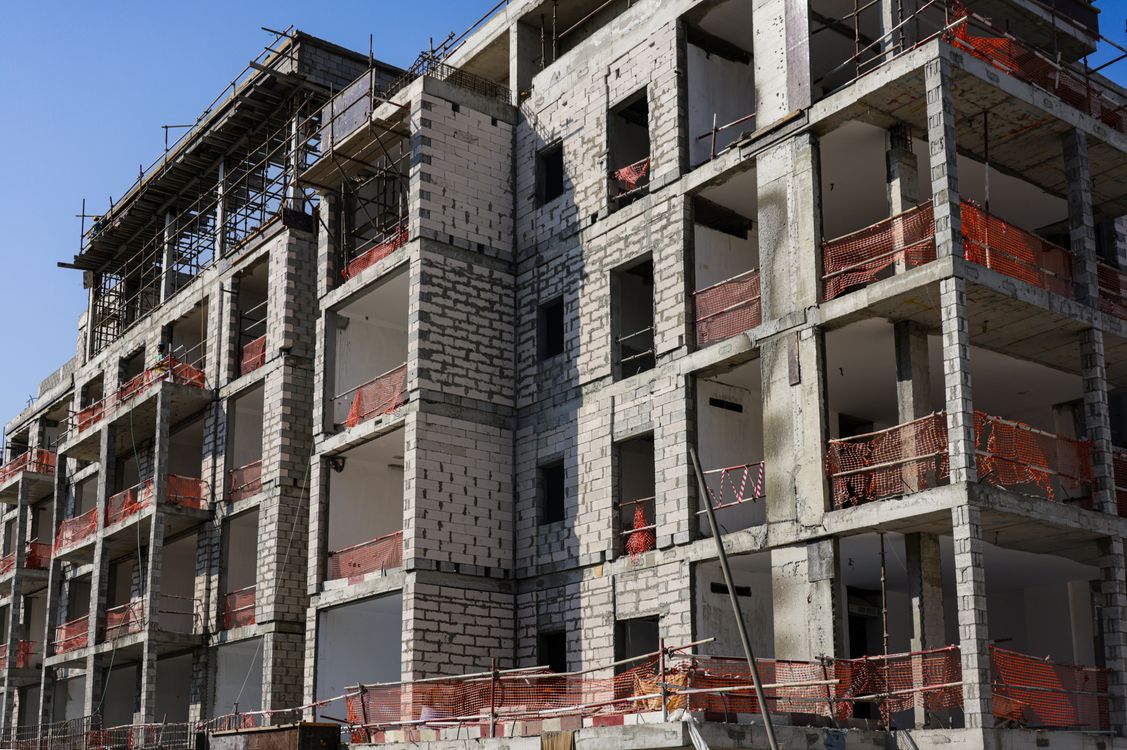
BlogDelayed construction in an off-plan property purchase should be examined through the written contract first. The buyer's rights depend on the promised delivery date, extension clauses, payment schedule, project status, developer conduct and the evidence kept during the transaction.
For foreign buyers, the practical question is not only whether the project is late. The question is which remedy is legally available and commercially sensible: delivery pressure, negotiated completion, penalty claim, refund, termination or litigation.
Contents
1. Short Answer
A foreign buyer may have legal options when construction is delayed, but the correct route depends on the contract, delay period, payment evidence, permit status and the developer's ability to complete the project.
The buyer should avoid reacting only to sales-office explanations. A structured review helps decide whether to wait, send notice, negotiate, demand compensation, terminate or claim a refund.
2. Contract and Delivery Date
The delivery date should be identified from the signed documents, not from marketing statements alone. Reservation forms, preliminary sale contracts, payment plans, project brochures and later amendments may all affect the buyer's position.
The contract should be checked for the delivery date, grace period, force majeure wording, penalty clause, refund rule, title deed route, handover conditions and developer obligations. These provisions define the starting point of the buyer's position.
Marketing material, payment plans and messages can be relevant, but the signed contract usually carries the main legal weight. If the contract is vague, the surrounding evidence becomes more important.
3. Measuring the Delay
A delay should be measured against the contractual delivery promise, not only against the buyer's expectation. Some contracts allow limited extensions; others require notice or contain specific penalty mechanisms.
The review should identify when delay legally began, whether the developer has a valid explanation, and whether the buyer's own payments or approvals affect the argument.

4. Payment Evidence and Buyer Performance
The buyer's own performance matters. Instalments, bank transfers, receipts, exchange records and written communications should show that the buyer complied with the payment plan or had a legal reason for withholding payment.
The buyer's payment evidence is central. Bank transfers, receipts, invoices, currency records and payment schedules should show what was paid, when it was paid and which property the payments relate to.
If the buyer missed payments, paid a related company, paid an agent or paid without clear explanations, those points should be assessed before a demand is sent. A strong remedy starts with a clean evidence file.
5. Project Status, Permits and Title Deed Route
Project status should be checked through official and technical records. Construction permits, occupancy status, condominium establishment, title deed route and developer authority may explain why delivery has been delayed.
The buyer should understand the real project status. Construction progress, permits, occupancy position, independent section records and title deed transfer route may affect whether the practical goal is completion or refund.
If the project is close to completion, a controlled completion plan may be better than immediate termination. If construction has stopped or the developer cannot show a credible route to handover, stronger legal pressure may be justified.
6. Legal Notice and Negotiation
A legal notice should be drafted according to the remedy the buyer may later request. It may demand completion, reserve compensation rights, request documents, object to delay or prepare the ground for termination.
The tone and content matter. A notice that is too broad, too emotional or inconsistent with the contract may weaken the buyer's later position.
7. Termination, Refund and Penalty Claims
Termination, refund and penalty claims should be assessed together. A strong position usually depends on the contract wording, the length of delay, notice history, payment evidence and whether the developer can still complete the transfer.
Termination and refund are serious steps. Before taking that route, the buyer should check whether the delay is sufficient, whether notice is required, how the refund is calculated and whether interest, penalty or deductions may be argued.
The strongest claim is usually built from the contract, payment records, delay evidence, correspondence and proof that the buyer performed their own obligations.
8. Handover, Defects and Final Payment
If the buyer still wants the property, the file should shift toward handover control. Defects, missing works, common areas, occupancy, utilities, title deed transfer and final payment conditions should be recorded in writing.
The buyer should avoid closing the file while important construction or title deed issues remain undocumented.
9. Legal Istanbul Review
Legal Istanbul reviews delayed construction files by checking the contract, delivery date, payment evidence, project documents, notices, negotiation route, termination risk and title deed strategy.
The aim is to help the buyer choose a remedy that is legally grounded and practically useful, rather than reacting to delay without a clear file.
Consultation for Real Estate Law in Turkey
Send your questions and the essential facts to Legal Istanbul. We will review your message and reply with a free initial response about the next step.
Primary public reference points include Turkish official records and legislation. Sources: Land Registry and Cadastre, Mevzuat.
Frequently Asked Questions
What can a foreign buyer do if construction is delayed in Turkey?
The buyer may consider notice, negotiation, penalty, completion demand, refund, termination or litigation depending on the contract and evidence.
Does every delay give the buyer a right to terminate?
No. The contract, delay period, extension clauses, notices and buyer performance must be reviewed.
Should I stop paying installments if the project is delayed?
That should be assessed before action is taken. Stopping payment without a legal basis may create risk for the buyer.
Can I claim a refund from the developer?
Possibly, but the refund route depends on the contract, delay, payment evidence and developer conduct.
What evidence should I keep?
Keep the contract, payment records, receipts, invoices, messages, project updates, notices and photos or reports showing construction status.
Can Legal Istanbul review an off-plan delay file?
Yes. The review can assess the contract, delay evidence, payment record, notice strategy and legal options.